Key takeaways
- Rate negotiation is usually the smallest available saving.
- Demurrage, empty running and split providers cost more than most rate gaps.
- Consolidating providers removes handover points where cost and blame both hide.
- You cannot reduce what you do not measure: cost per drop beats cost per trip.
When a Kenyan business decides to reduce logistics cost, the first move is almost always to re-tender the freight rate. It is the most visible number, so it feels like the biggest one. In our experience it is usually the smallest saving available — and occasionally a negative one, because the cheapest rate frequently arrives attached to the least reliable service.
Here are nine places where logistics spend actually leaks, roughly in order of how much they tend to be worth.
1. Demurrage and detention
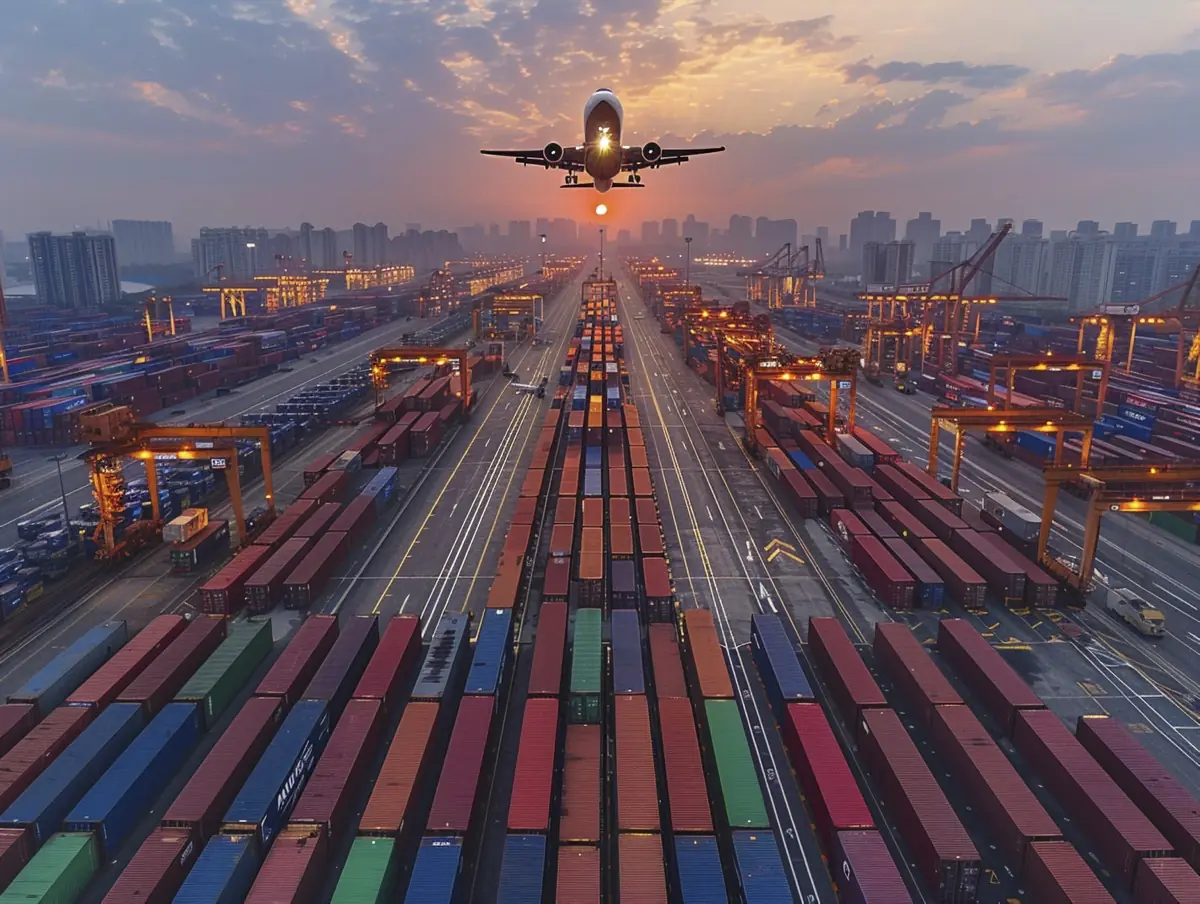
Charges for holding a container beyond its free period accrue daily and compound quietly. They are almost never a rate problem; they are a coordination problem — clearance started late, haulage not booked, delivery site not ready. Fixing the coordination usually saves more than any rate negotiation, and it costs nothing.
2. Empty running
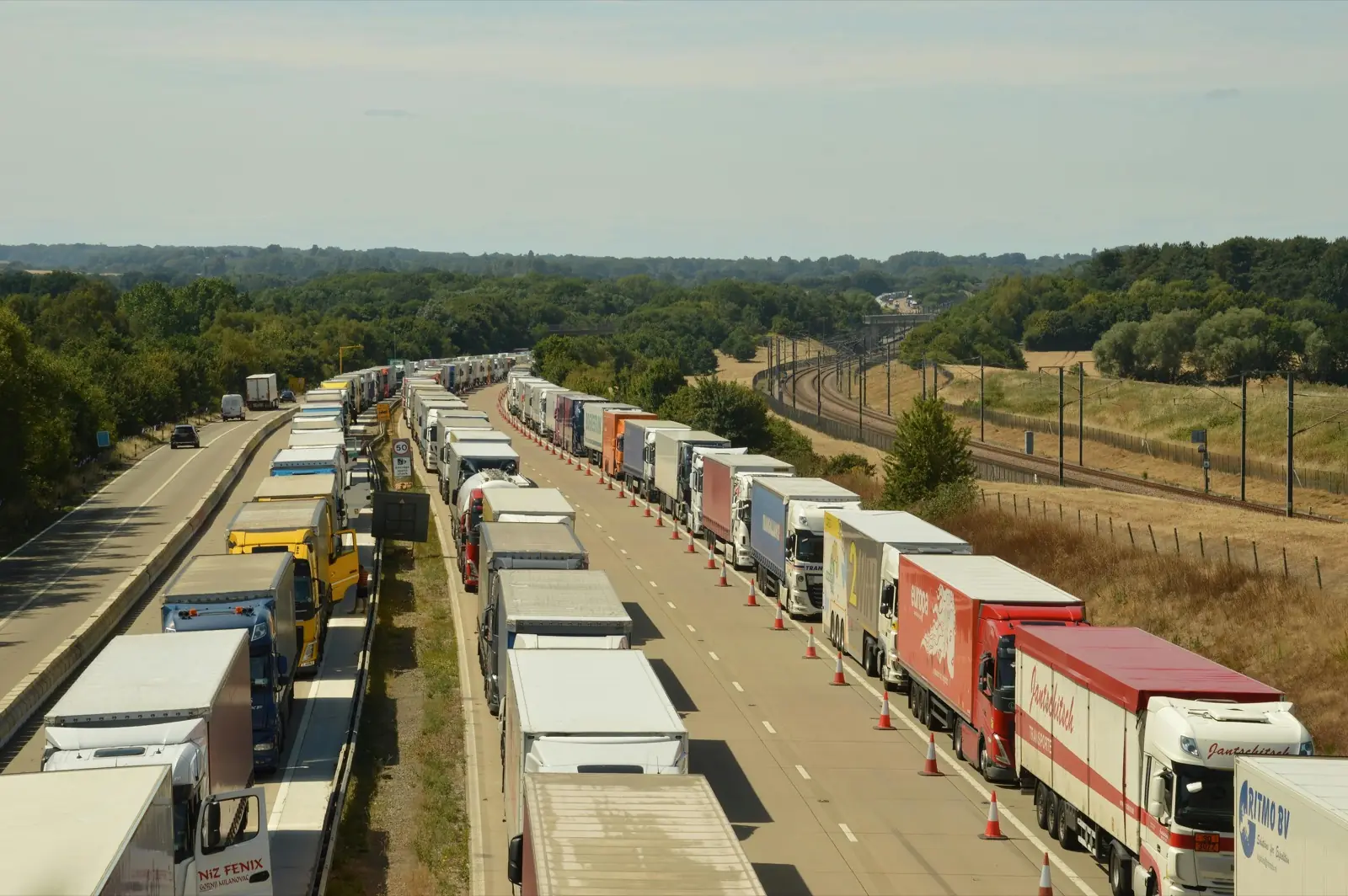
A truck that returns empty has to earn its round trip on one leg. If your provider has no return load, you are paying for the empty leg whether or not it appears as a line item. Providers with dense regional route networks can sometimes pair loads; ask directly whether your route has a return, and whether that is reflected in the rate.
3. Too many providers
Splitting freight, warehousing and last-mile across three suppliers looks like healthy competition. In practice each handover is a point where stock discrepancies appear, information is lost, and — when something goes wrong — responsibility is disputed. The cost of that dispute rarely appears in any budget line, which is exactly why it survives.
Consolidating the chain under one operator removes the handovers. It is also the reason we offer forwarding, warehousing and distribution and last-mile delivery as one service rather than three products.
4. Wrong vehicle class
Moving four tonnes on a 28-tonne rigid, or splitting a load that a single flatbed could carry, is a pure loss. This happens when the provider assigns whatever is idle rather than what fits. Ask which vehicle class is assigned to your movement and why — a provider running eight classes has no excuse for a poor match.
5. Poor demand forecasting
Logistics absorbs the cost of bad forecasting: expedited shipments, part-loads, air freight for cargo that should have gone by road, and overtime at the warehouse. A forecast shared with your provider even a week ahead converts urgent capacity into planned capacity, which is materially cheaper.
6. Inventory sitting in the wrong place
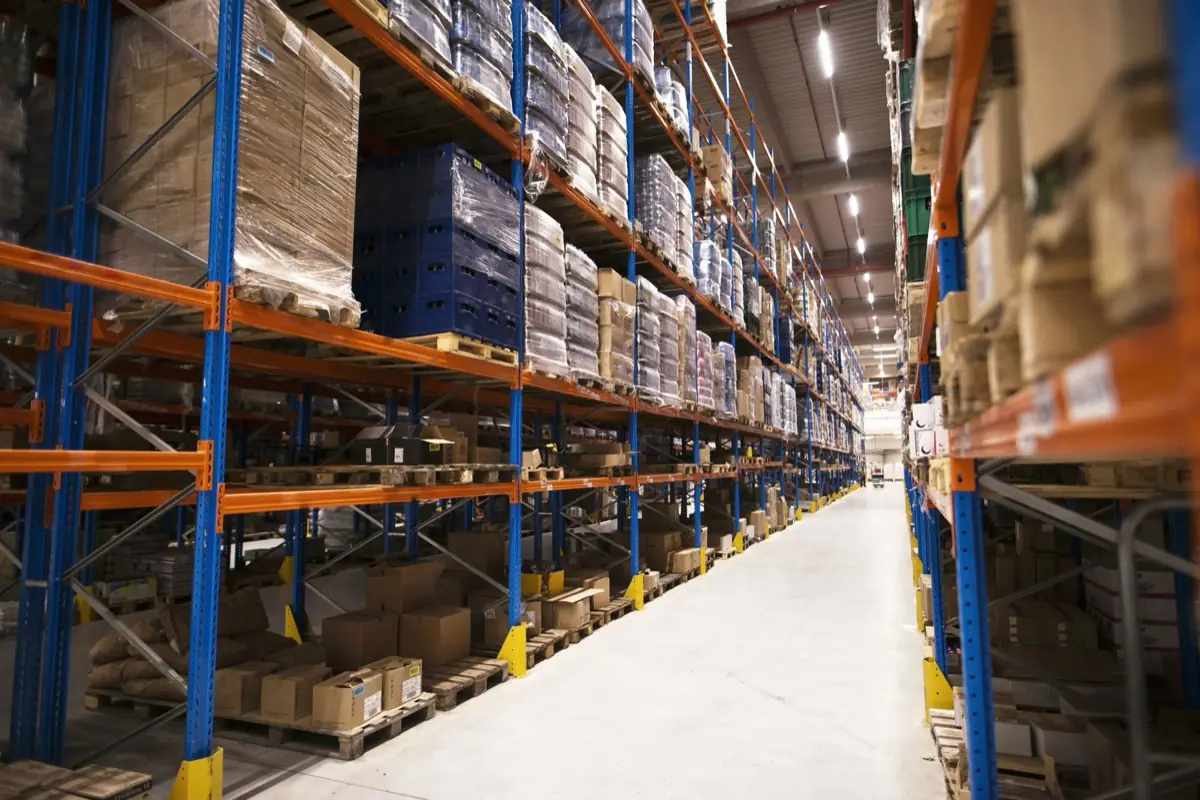
Stock held far from demand generates avoidable transport every time it is needed. Stock held too close to demand in too many locations generates handling and shrinkage. Where warehousing sits relative to your distribution network is a cost decision, not a real-estate one.
7. Failed deliveries
Every failed delivery costs the trip twice. The common causes — incomplete addresses, no contact number, recipient unavailable, arrival outside a receiving window — are all data problems. Capturing a reason code on each failure, rather than simply re-attempting, is what turns a recurring cost into a fixable one.
8. Damage and shrinkage
Damage in transit is often treated as an insurance matter and therefore not analysed. But claims have excesses, replacements have lead times, and customers remember. Load securing standards, correct vehicle selection and proper handling at both ends cost less than the claims they prevent.
9. Measuring the wrong thing
Cost per trip is the number most businesses track, and it is close to useless for improvement because it hides utilisation. The numbers worth tracking are:
- Cost per drop or per tonne delivered — reveals utilisation.
- On-time delivery percentage — reveals reliability.
- Failed delivery rate with reason codes — reveals fixable causes.
- Demurrage and detention as a percentage of freight spend — reveals coordination quality.
- Damage rate — reveals handling quality.
You cannot reduce what you do not measure, and cost per trip measures almost nothing.
Where to start
Pick the two of these you cannot currently quantify. That is almost always where the money is. If demurrage and failed-delivery rates are not numbers you can produce today, start there — not with a re-tender.

Written by the Jastan Logistics operations team. We move freight across Kenya, Uganda, Tanzania, Rwanda, Zambia and Botswana on our own fleet of 120+ vehicles. Everything here comes from work we do every week.